
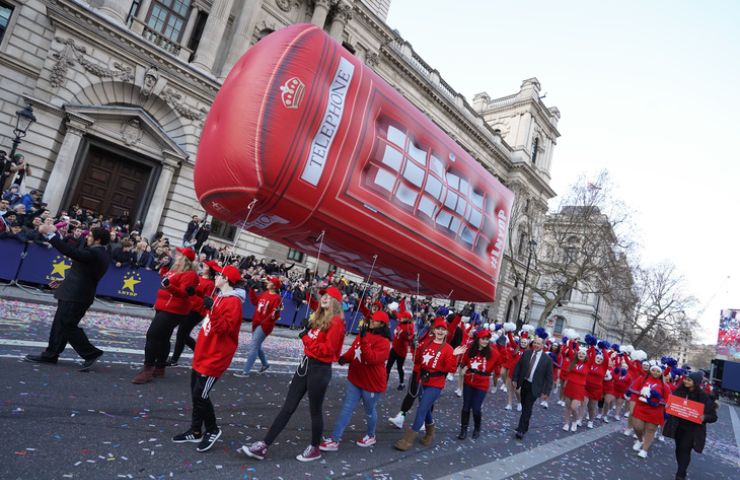
London knows how to welcome the New Year in style, and while New Year’s Eve fireworks grab global headlines, New Year’s Day belongs to the parade. London’s New Year’s Day Parade is one of the capital’s most joyful and family-friendly celebrations, bringing together music, culture, and community right through the heart of the city.
Held every year on 1 January, the parade transforms central London into a colourful festival of marching bands, dancers, performers, and creative displays. Whether you’re a visitor planning your first New Year in London or a local looking for a fresh way to start the year, this complete guide covers everything you need to know—from routes and viewing spots to travel tips and FAQs.
What is London’s New Year’s Day Parade?
London’s New Year’s Day Parade (often shortened to LNYDP) is a large-scale celebratory procession that kicks off the year with positivity and spectacle. It features thousands of performers from the UK and abroad, including marching bands, cheerleaders, dancers, cultural groups, and themed floats.
Unlike the late-night crowds and fireworks of 31 December, this parade has a daytime, inclusive atmosphere. Families, couples, tourists, and photographers line the streets to enjoy live music, creative costumes, and iconic London backdrops—all without staying up until midnight.
The parade has grown steadily over the decades and is now considered one of the largest New Year’s Day parades in the world, regularly attracting large crowds and international attention.
When does the parade take place?
- Date: Every year on 1 January
- Start time: Around 1:00 pm
- Finish time: Approximately 4:30 pm
- Viewing: Free street-side viewing, plus ticketed seating options
Because it takes place in the afternoon, you can enjoy a relaxed morning, brunch at your hotel, and still make it comfortably to the parade route.
Parade route: where it goes
One of the biggest attractions of London’s New Year’s Day Parade is its route, which passes through some of the city’s most famous streets and landmarks. The parade typically travels through:
- Piccadilly
- Regent Street
- St James’s
- Pall Mall
- Trafalgar Square
- Whitehall
This route means you can choose your viewing spot based on the type of experience you want—shopping streets, royal surroundings, or classic postcard views of London’s historic centre.
Best places to watch the parade
Free viewing areas
Watching the parade is completely free if you stand along the route. Popular free spots include:
- Regent Street: Wide pavements and long sightlines make this ideal for groups and photographers.
- Piccadilly: Great for catching the parade earlier in the route.
- Near Trafalgar Square: Lively atmosphere with iconic scenery.
- Whitehall: A dramatic setting as the parade nears its finale.
Tip: Arrive early if you want a front-row view, especially in high-traffic areas.
Ticketed grandstands and VIP seating
If comfort is a priority—particularly for families, older visitors, or anyone who prefers seating—ticketed grandstands are available along select parts of the route. These offer:
- Reserved seating
- Clear, elevated views
- Less crowd pressure
- Easier access with children
Tickets are limited and usually sell quickly around New Year, so booking is strongly recommended.
What you’ll see at the parade
Every year brings something new, but you can expect a vibrant mix of:
- International marching bands and drumlines
- Dance troupes and cheer teams
- Community and cultural groups
- Themed costumes and novelty entries
- Vintage vehicles and creative displays
The parade is energetic, loud, colourful, and designed to keep spectators engaged from start to finish. Even if you don’t stay for the full duration, you’ll see plenty within a short time.
Is the parade suitable for families?
Absolutely. London’s New Year’s Day Parade is one of the most family-friendly major events in the city. There is no age restriction, the atmosphere is positive and safe, and performances are designed to appeal to all generations.
For families, consider:
- Arriving early to secure space
- Choosing wider streets, such as Regent Street
- Booking grandstand seats for comfort
- Bringing snacks, warm drinks, and layers
What to wear and bring
January weather in London can be cold and unpredictable, so dressing appropriately is essential.
What to wear:
- Warm layers
- Waterproof jacket or coat
- Hat, gloves, and scarf
- Comfortable shoes
What to bring:
- Phone or camera (plus a power bank)
- Snacks and water
- A small blanket or portable seat (where permitted)
- Cashless payment options for nearby cafés or shops
Getting around on New Year’s Day
Transport on New Year’s Day often runs on a reduced or altered schedule. Roads in central London may be closed or restricted due to the parade, which can make last-minute travel stressful.
For visitors staying outside central London, or those travelling as a group, pre-booked private transport is often the most convenient option. It allows you to arrive close to your chosen viewing point and leave without battling crowded stations.
Accessibility considerations
Visitors with mobility needs should plan. Ticketed seating areas are generally more accessible and provide better comfort. Some areas along the route are broader and easier to navigate than others, and staff are usually present to assist with crowd management.
If accessibility is important for your group, aim to:
- Choose seating options where possible
- Arrive early to avoid congestion
- Use pre-arranged transport rather than public services
Make a full New Year’s Day out of it
Once the parade finishes in the late afternoon, you’re already in one of the best parts of London. Popular post-parade ideas include:
- A walk through St James’s Park
- Visiting nearby museums and galleries
- Afternoon tea or early dinner in the West End
- Evening sightseeing while the city is quieter
After New Year’s Eve. Many attractions are open on New Year’s Day, often with slightly reduced hours, so checking ahead helps maximise your plans.
FAQs – London’s New Year’s Day Parade
1. Is London’s New Year’s Day Parade free?
Yes, you can watch the parade for free by standing along the route. Paid seating options are available for those who want reserved views.
2. What time should I arrive?
For good free viewing spots, aim to arrive at least one to two hours before the parade starts. Ticket holders should follow the arrival times provided with their booking.
3. How long does the parade last?
The parade usually runs for around three to three-and-a-half hours from start to finish.
4. Is it suitable for young children?
Yes, it’s very family-friendly. Just plan for the waiting time and dress the children warmly.
5. Does the parade happen every year?
Yes, it is an annual event held every 1 January, regardless of whether New Year’s Day falls on a weekday or weekend.
6. Can I move between locations along the route?
It’s possible, but crowds and road closures can slow movement. It’s usually best to pick one good spot and stay there.
Travel reference: Visit with comfort using JAF Executive Travels
If you want to enjoy London’s New Year’s Day Parade without worrying about reduced transport services, cold walks, or crowded stations, JAF Executive Travels offers a reliable and comfortable solution.
With door-to-door chauffeur services, executive vehicles, and experienced local drivers, JAF Executive Travels allows you to focus entirely on the celebration—arriving relaxed, staying warm, and leaving smoothly once the parade ends.
For visitors, families, or business travellers starting the year in London, JAF Executive Travels is an ideal choice for attending one of the city’s most iconic New Year traditions.

Tom Copper
Tom Copper is a UK-based travel and tourism writer with a deep passion for transforming journeys into compelling stories. Over the years, he has explored both iconic destinations and lesser-known hidden gems, always seeking experiences that create meaningful connections between people and places. His writing reflects a genuine appreciation for culture, history, and adventure, blending practical travel advice with thoughtful personal insights. From vibrant city breaks and scenic coastal escapes to peaceful countryside retreats, Tom shares travel inspiration that feels authentic, relatable, and exciting. When he’s not crafting his next article, you’ll likely find him wandering through local markets, sampling new cuisines, or capturing unique moments through his camera lens. For Tom, travel is never just about ticking destinations off a list—it’s about the stories, emotions, and memories created along the way.

Business Chauffeur London:The Complete Guide to Executive Travel
Business Chauffeur London: The Complete Guide to Executive Travel What Is a Business Chauffeur in…

Common Myths About Chauffeur Hire Explained
Common Myths About Chauffeur Hire Explained Chauffeur hire services are often associated with luxury, prestige,…
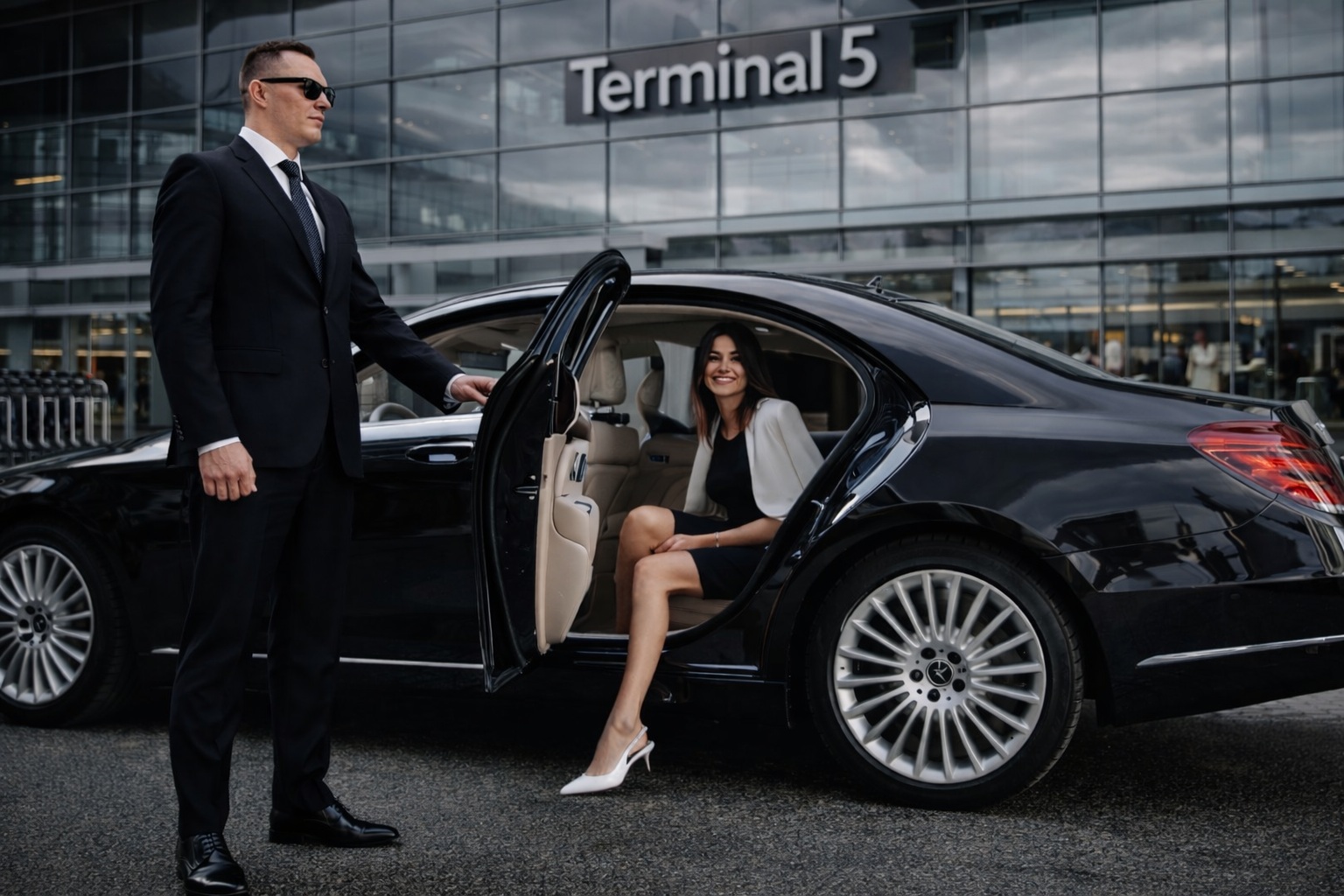
Chauffeur Hire in London: A Complete Local Guide
Chauffeur Hire in London: A Complete Local Guide London is one of the world’s most…
London’s Executive Ride Solution: Why JAF Beats Standard Ride-Hailing
London’s Executive Ride Solution: Why JAF Executive Travels Beats Standard Ride-Hailing In a city as…
London’s New Year’s Day Parade-Full Guide
London knows how to welcome the New Year in style, and while New Year’s Eve…

Top 10 Hotels in London You Can’t Miss
London is one of the world’s most exciting cities, blending royal heritage, modern luxury, global…
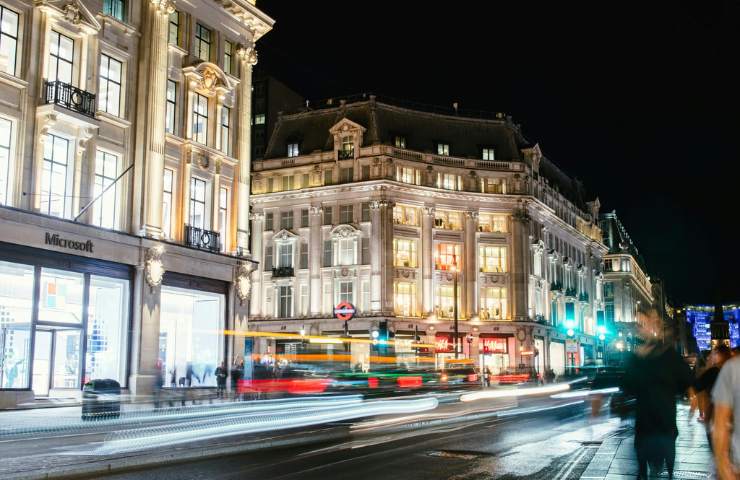
Late Night Shopping in London: Where the City Shines After Dark
Late Night Shopping in London: Where the City Shines After Dark London is a city…
New Year’s Eve in London, UK: The Ultimate Guide for 2025
Celebrating New Year’s Eve in London is a bucket-list experience. Few cities in the world…
Executive Taxi Hire in Birmingham for Business Travel
Business travel in Birmingham has changed. Hybrid working has not reduced the need to meet…

Chauffeur Services in Manchester for Corporate Clients
Manchester has quietly become one of the UK’s most important business cities. With global firms…